The World of AI Is Getting Better with Video
Artificial intelligence has already changed the way we write, design, analyze data, build software, and communicate. Now, one of the most exciting areas of AI is moving rapidly forward: video.
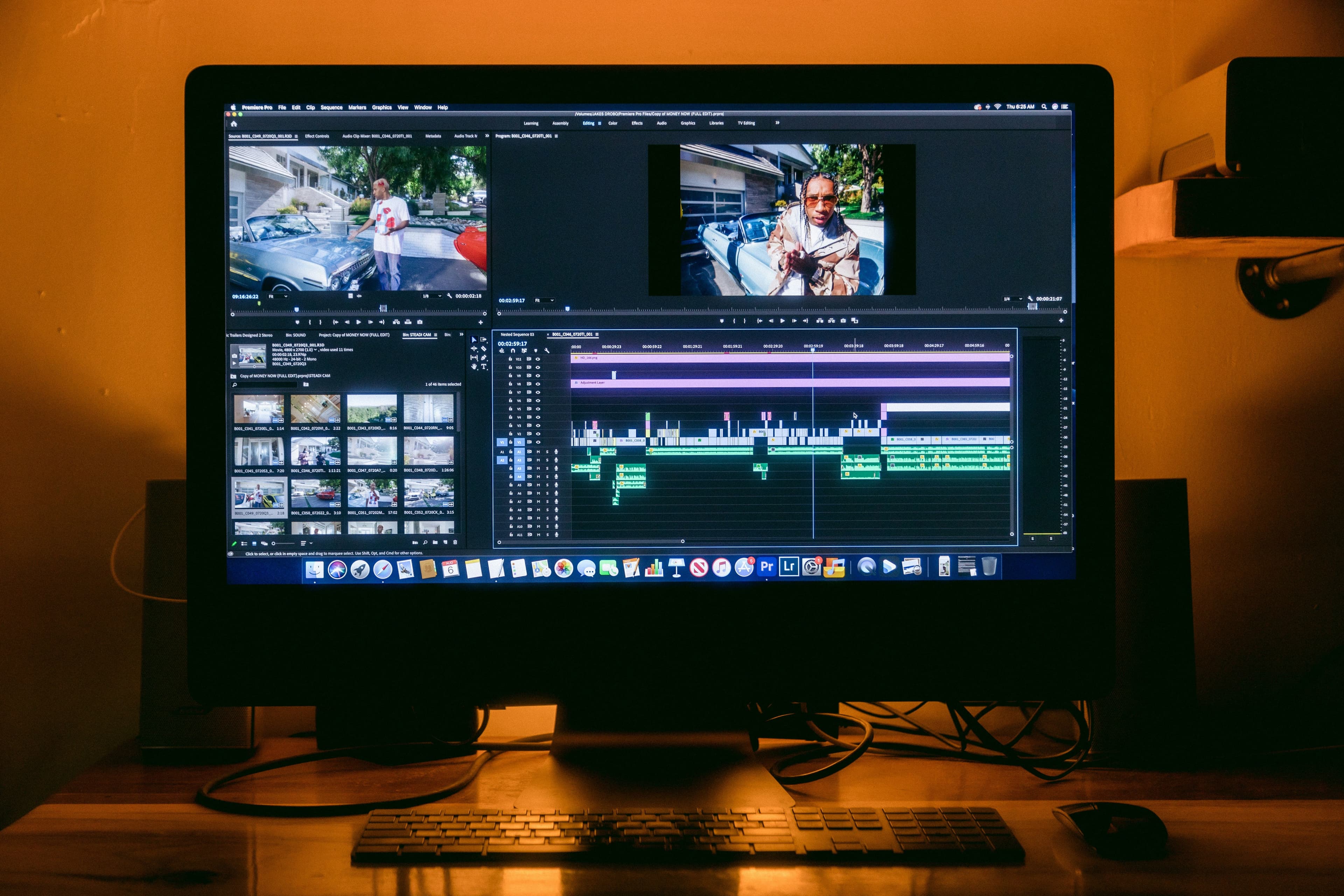
AI-generated video is becoming more realistic, accessible, and useful. What once required cameras, actors, studios, editors, animation teams, and days—or even weeks—of production can increasingly begin with something as simple as a written idea.
From Text to Moving Stories
The first wave of generative AI made text and image generation widely accessible. Video is the natural next step.
Modern AI video systems can transform written prompts, images, and other inputs into moving scenes. Instead of describing an idea and stopping at a static image, creators can begin turning that idea into an actual sequence with movement, environments, characters, lighting, and cinematic effects.
This changes the relationship between an idea and its execution.
A marketing team could visualize an advertising concept before committing to a full production. A designer could animate a product concept. An educator could turn difficult ideas into visual explanations. A filmmaker could experiment with scenes before shooting them.
AI isn't simply making video faster. It is making video creation available to more people.
Video Is Becoming a New Interface for AI
The bigger story goes beyond generating impressive clips.
AI systems are also becoming better at understanding video.
A video contains much more information than a single image. It includes movement, timing, interactions between objects, changes in environments, speech, actions, and cause-and-effect relationships.
As AI becomes better at processing this information, video can become another important way for humans and machines to communicate.
Imagine showing an AI system a recording of a machine malfunctioning and asking what appears to be wrong. A construction team could analyze footage from a worksite. A sports coach could examine movement and technique. A business could process hours of recorded material and quickly locate important moments.
Instead of explaining everything through text, we increasingly will be able to show AI what is happening.
A Major Shift for Businesses
For businesses, AI video could significantly reduce the distance between an idea and finished content.
Companies constantly need product demonstrations, advertisements, social media videos, training materials, onboarding content, presentations, explainers, and personalized customer communication.
Traditionally, producing all of this at scale is expensive.
AI-assisted production can change that workflow.
A creative team might start with an idea, generate several visual directions, create an initial video, revise individual scenes, add narration and sound, and then adapt the finished content for different platforms.
Humans still make the important decisions about the message, audience, brand, and quality. AI handles an increasing amount of the repetitive production work.
The result isn't necessarily fewer ideas—it can mean more ideas can actually be tested and produced.
Creativity Becomes More Accessible
Perhaps the most interesting effect of AI video is what happens to people who previously couldn't produce professional visual content.
A small business may not have the budget for a production studio.
A teacher may not know animation.
A startup founder may have a strong product idea but no video team.
An independent creator may have a story in mind but lack the equipment required to film it.
Generative video lowers some of those barriers.
The ability to create will increasingly depend not only on access to expensive production resources, but also on the quality of the idea, direction, storytelling, and judgment behind it.
There Are Still Important Challenges
AI video is improving quickly, but it isn't perfect.
Generated footage can still contain inconsistencies, unrealistic motion, visual artifacts, or problems maintaining characters and objects across longer sequences. Professional productions also require much more than generating individual clips.
There are bigger questions as well.
Who owns AI-generated material? How should copyrighted training material be handled? How do platforms identify manipulated footage? How can people distinguish authentic recordings from synthetic media?
As realistic video becomes easier to generate, provenance, consent, copyright, and trust will become increasingly important.
The same technology that helps a small company create an advertisement can also be misused to produce deceptive content. Responsible development therefore needs to advance alongside technical capability.
The Future Is Human + AI
The most useful way to think about AI video isn't as a replacement for human creativity.
It is a new creative tool.

